

Family Connection Redefined: Share, Bond, and Stay Close With One Private App
About the client
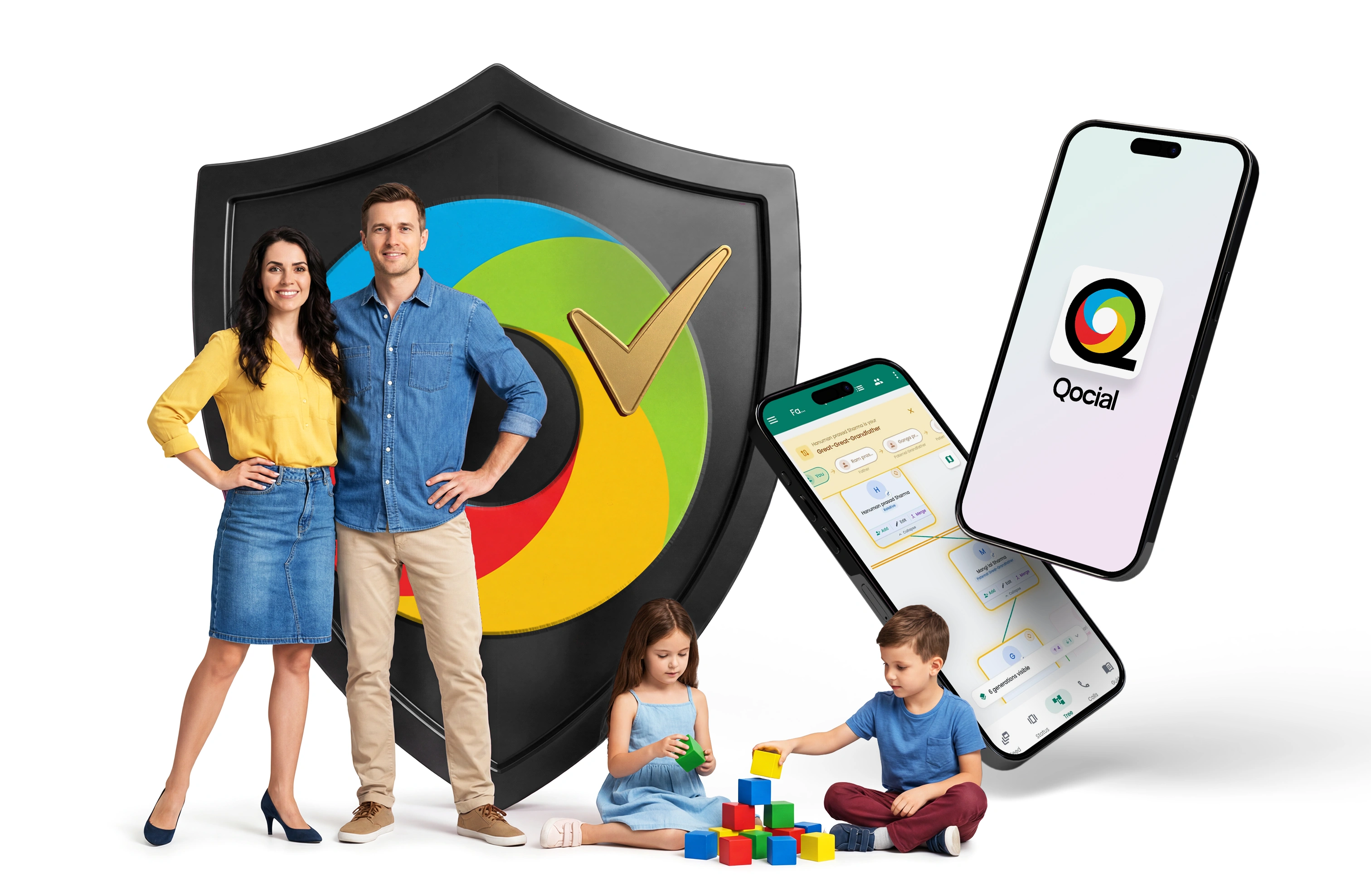
Qocial is a next-generation private family social network and family tree platform developed by Qocial Private Limited.
It gives families a secure, closed space to connect, share memories, and stay close, completely away from the noise of public social media.
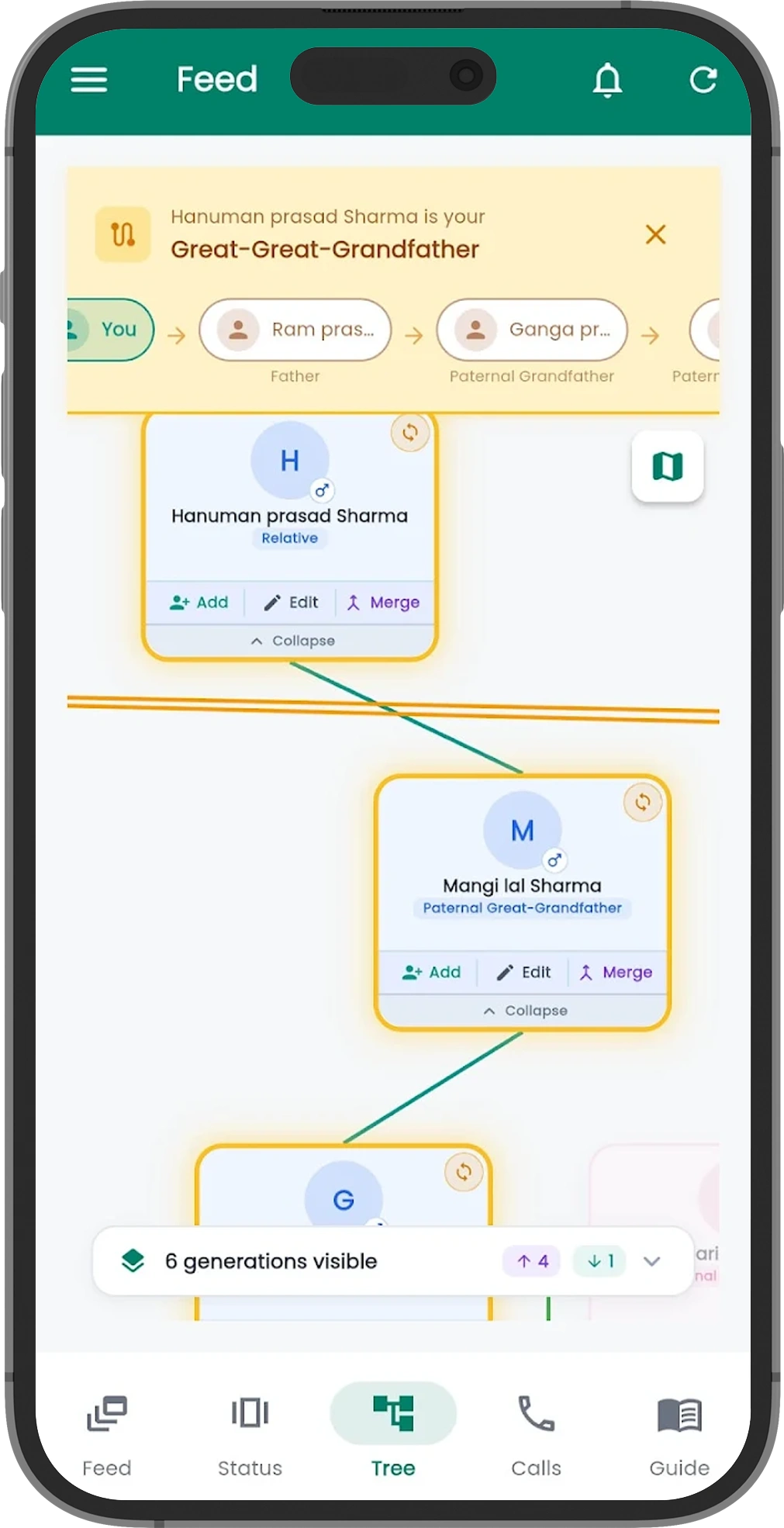
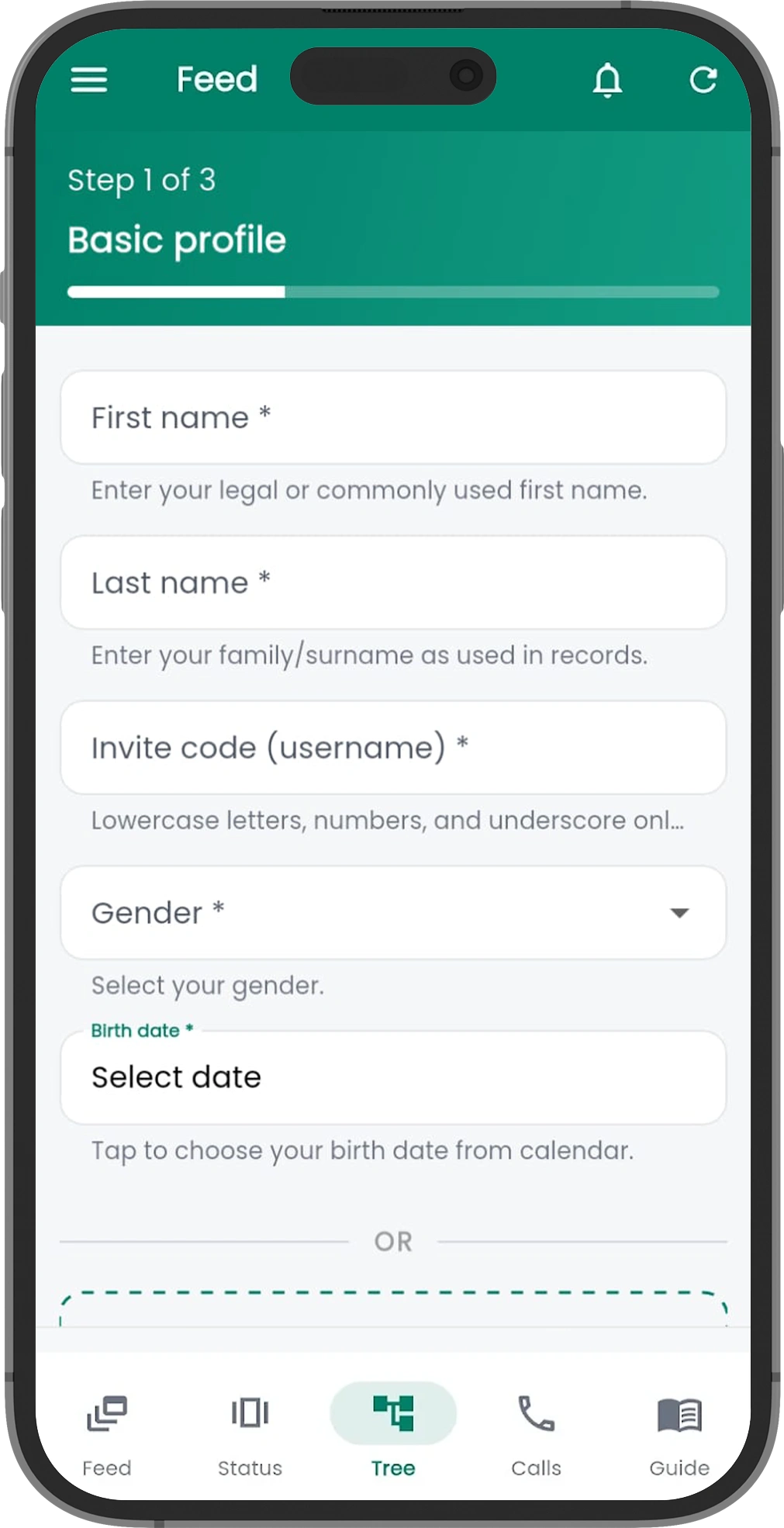
With features like an unlimited family tree builder, private family feed, personal journal mode, and automatic relative connections, Qocial brings every generation of a family into one trusted digital home.
- Location: India

A Private Space Where Every Family Belongs
The mission was to build something the internet was genuinely missing: a social platform designed exclusively for families. By combining a living family tree with a private social feed, Qocial gives relatives a secure, structured space to share moments, preserve memories, and stay connected across cities and generations, without any outside interference.
Tech Stack:


- Duration: 8 Months
Our Challenge
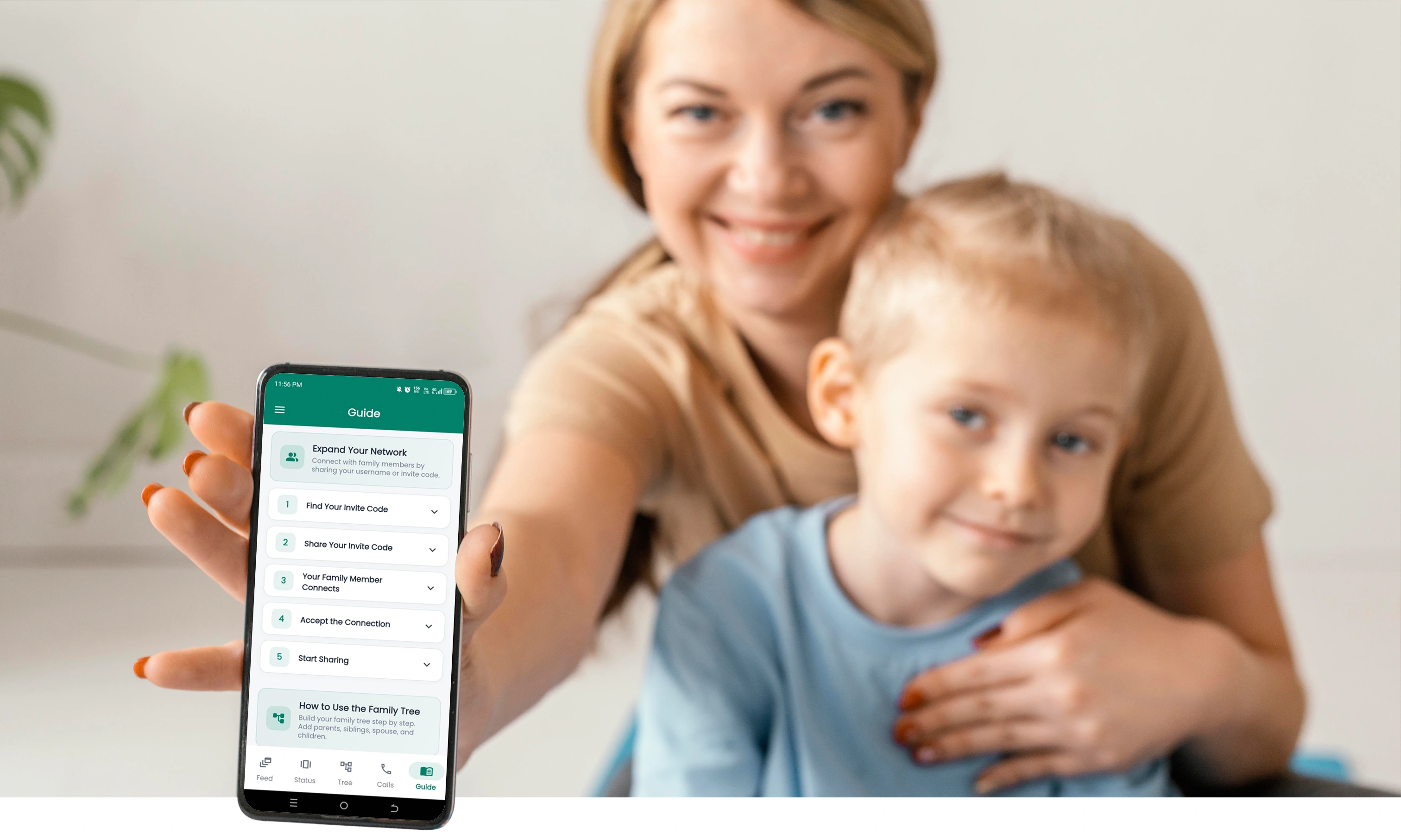
Families today are more connected to the internet than ever, yet more disconnected from each other. The challenge was to build a platform that wasn't just another social app but a private, structured space built exclusively for relatives. With a living family tree, a closed feed, and zero outside visibility, Qocial helps families stay genuinely close, not just digitally present.
Let’s Make It Happen
We don't overcomplicate things. We break it down, keep it simple, and make sure things get done. Ready to crush it? Let's get started!
Mapped the family user journey and defined the private feed logic, relationship linking system, and core use cases for families across different cities and generations.
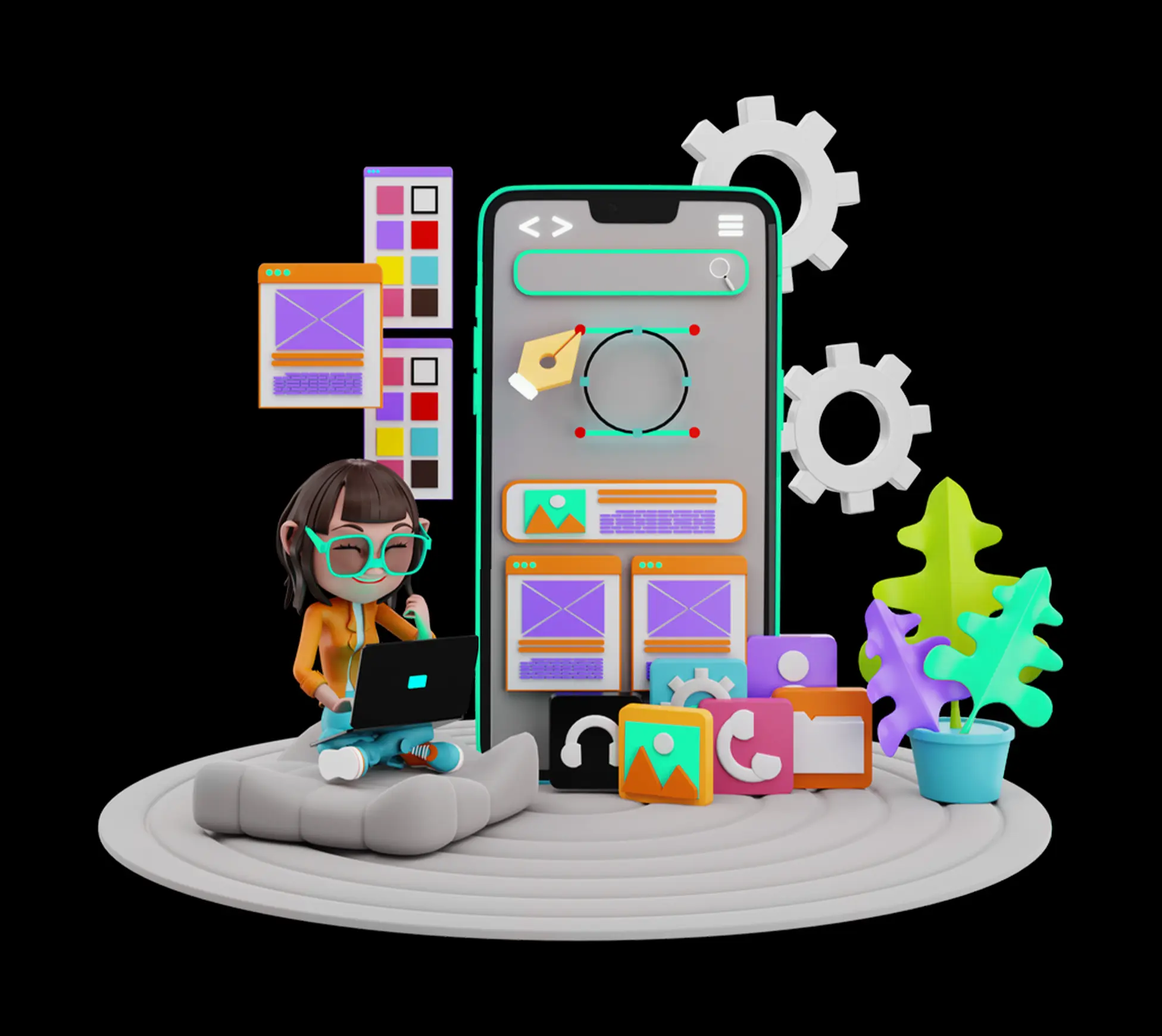
Built wireframes and high-fidelity mockups in Figma, focused on a warm, simple UI that works equally well for a teenager and a grandparent.

Developed the platform on React Native with Firebase. Built the family tree engine, private feed, and personal journal mode from the ground up.
Ran usability testing across age groups and devices. Refined flows and privacy controls based on real feedback from actual family users.
Published on Google Play with structured onboarding and continuous updates rolled out based on user feedback.
Mapped the family user journey and defined the private feed logic, relationship linking system, and core use cases for families across different cities and generations.
Built wireframes and high-fidelity mockups in Figma, focused on a warm, simple UI that works equally well for a teenager and a grandparent.
Developed the platform on React Native with Firebase. Built the family tree engine, private feed, and personal journal mode from the ground up.
Ran usability testing across age groups and devices. Refined flows and privacy controls based on real feedback from actual family users.
Published on Google Play with structured onboarding and continuous updates rolled out based on user feedback.
A Family-First Experience, Built With Purpose By Qocial
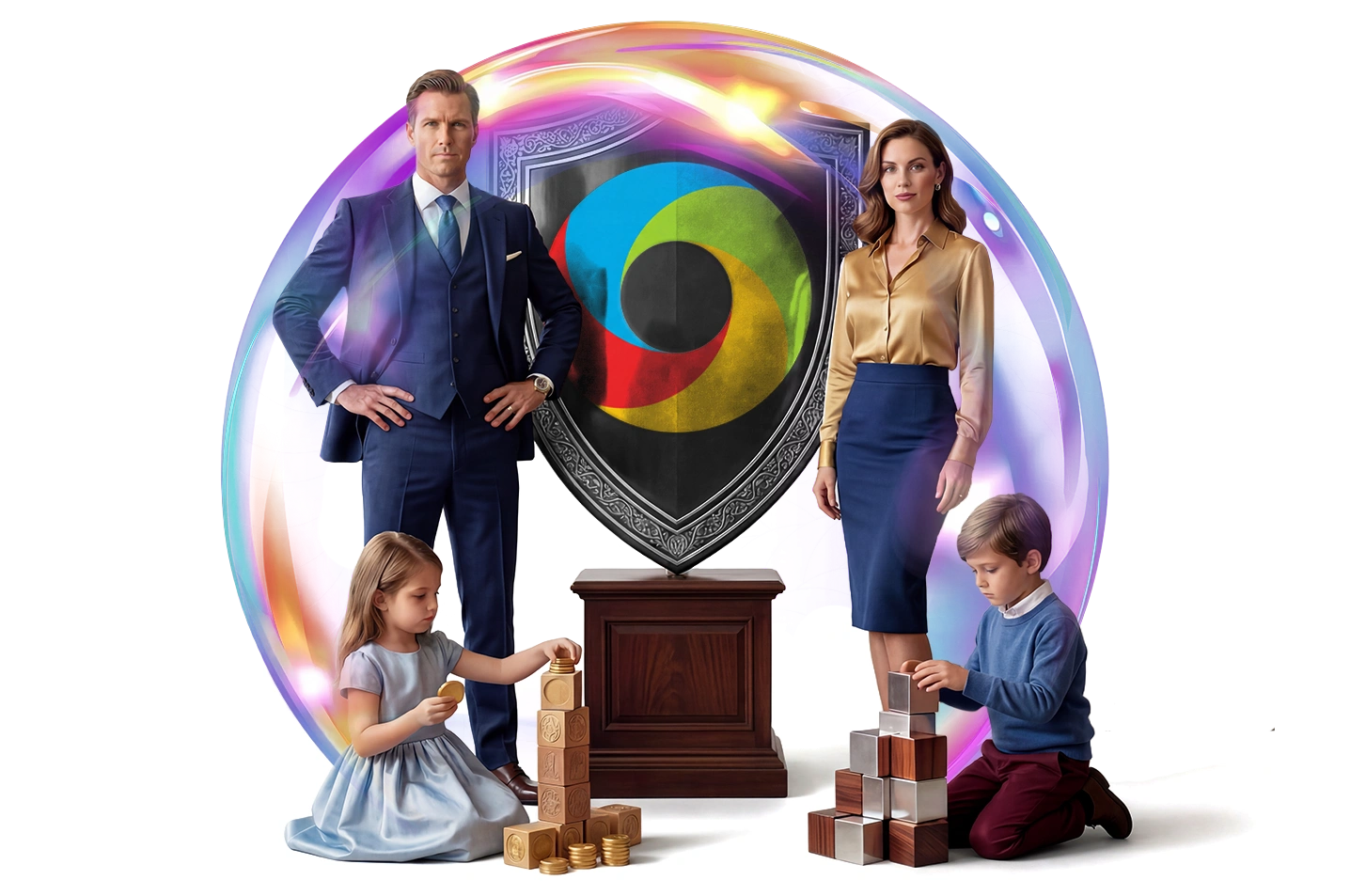
Qocial's strategy combined privacy, simplicity, and emotional design, focusing on a platform that would genuinely resonate with every member of the family, from the youngest to the oldest.
- Private Family Tree: Build an unlimited multi-generation family tree where relatives automatically link to each other, creating a living digital family network that grows over time.
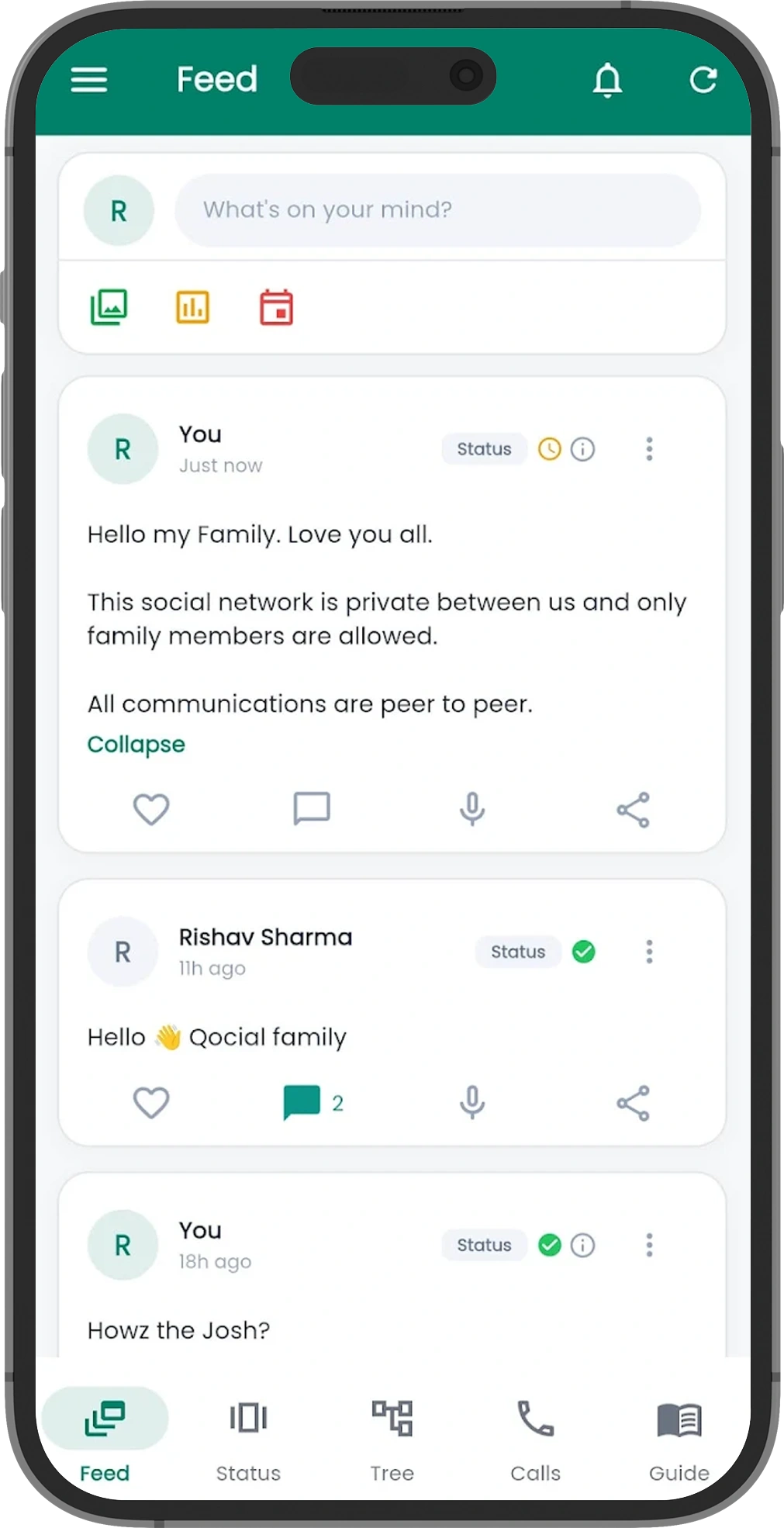
- Closed Family Feed: Every post stays visible only to connected family members, no strangers, no public exposure, no outside visibility of any kind.
- Personal Journal Mode: Users who haven't connected with relatives yet can post privately to themselves. Once family connections are added, those posts automatically join the shared family feed.


Project Results
- User Growth: 10+ downloads recorded on Google Play within the early launch phase, driven entirely by organic family referrals and word of mouth, with no paid acquisition.
- Privacy Trust: 100% of user data stays within the family circle with zero third-party sharing, building genuine trust among privacy-conscious families from day one.
- Multi-Generation Reach: The app successfully serves users across all age groups, from teenagers to grandparents, proving the multi-generational design approach paid off in real usage.